
Probiotics applications in breast cancer treatment
Breast cancer is the most common cancer in women and ranks second among all cancers worldwide. Consequently, there’s a significant amount of scientific research and clinical trials regarding the prevention and treatment of breast cancer (Mendoza Luis et al., 2019). Some prominent research directions (such as surgery, chemotherapy, or radiation therapy) include supporting breast cancer treatment using microorganisms, also known as probiotics. Probiotics or certain types of microorganisms are utilized as functional food to balance gut bacteria and enhance the overall immune system (May S. Thu et al., 2023). The potential of these microorganisms in combating breast cancer is being extensively studied and demonstrated through human trials and cellular levels.
Current Status of Breast Cancer
According to recent statistics, 1 in every eight adult women aged up to 85 is diagnosed with breast cancer and undergoes treatment throughout their lives (Siegel RL et al., 2018). The mortality rate for breast cancer is the second highest among causes of cancer-related deaths worldwide (Mendoza Luis et al., 2019). Annually, over 44,000 women are diagnosed with breast cancer in the UK (out of a population of 61 million), and over 12,500 succumb to this disease (Gareth R Evans et al., 2007).
Characteristics of Probiotics and Mechanisms in Breast Cancer Treatment and Support
According to the World Health Organization (WHO), the definition of probiotics or microorganisms includes living organisms commonly found in daily food or dietary supplements. When used in adequate amounts, probiotics offer numerous health benefits to users and can combat various diseases (Marteau PR et al., 2001). The human digestive system harbors a significant amount of bacteria that deeply interact with mucosal epithelial cells and immune cells (Sherwood L et al., 2013). These microorganisms influence digestive activities, metabolic exchanges, bile acid metabolism, and synthesis of vitamins B and K. Furthermore, their antigens and metabolic by-products can stimulate the production of cytokines to counter latent pathogens.
Lactobacilli, bacteria that primarily produce lactic acid typically obtained through fermented milk products like yogurt, are the most commonly used strains to supplement probiotics. They are incorporated into diets or available in capsule form (May S. Thu et al., 2023). Supplementing Lactobacilli through yogurt or fermented foods like kimchi contributes to breast cancer prevention efforts.
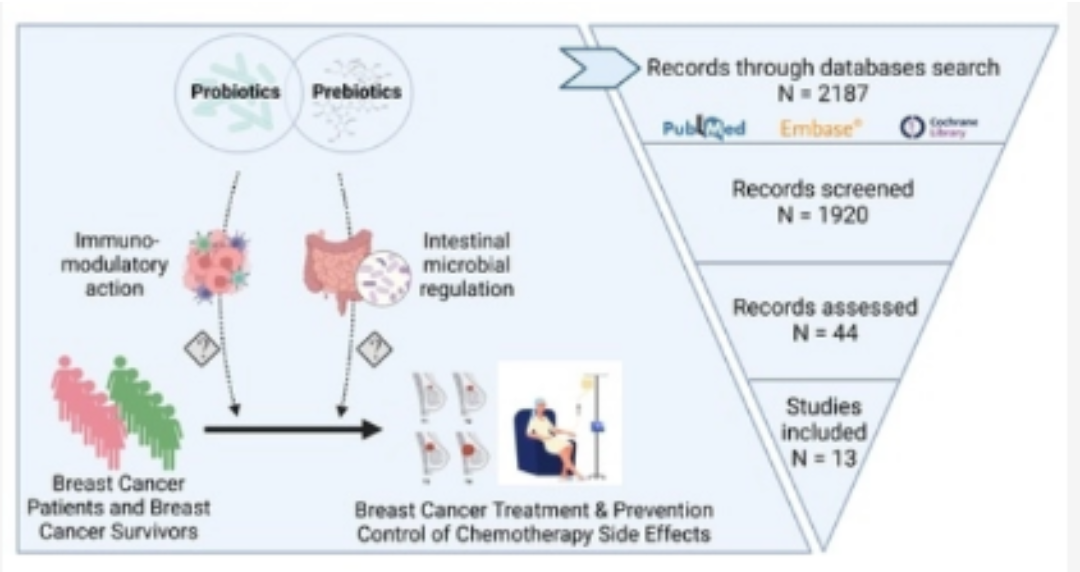
Figure 1. Relationship between Gut Microorganisms and Breast Cancer Prevention
(May S. Thu et al., 2023)
Digestive tract bacteria are associated with estrogen levels through the secretion of β-glucuronidase, an enzyme that converts bound estrogen into its free form, biologically active and readily absorbed. When the levels of free estrogen rise, the likelihood of breast tumor development increases accordingly (Kwa M, Plottel CS, et al., 2016). Diet and cholesterol metabolism are crucial factors in reducing the risk of breast cancer. Gut microorganisms directly influence lipid ratios in the bloodstream. Some studies have demonstrated that using probiotic supplements reduces blood cholesterol, potentially proving their benefit in preventing breast cancer due to elevated blood cholesterol levels (Figure 1) (May S. Thu et al., 2023; Jingyuan Fu et al., 2015).
Trials with Probiotics in Breast Cancer
Some studies have indicated differences in the distribution ratios of various microorganisms between individuals with breast cancer and healthy individuals. Based on this, many diagnostic methods for breast cancer tumors have been proposed based on the distribution ratios of these microorganisms. The distribution ratios of certain microorganisms such as Fusobacterium, Atopobium, Gluconacetobacter, Hydrogenophaga, and Lactobacillus in individuals with breast cancer are significantly lower compared to healthy individuals (Figure 2) (Hieken TJ and colleagues, 2016). However, further evidence is still needed to confirm or conclude a specific microorganism in breast cancer diagnosis (Banerjee S and colleagues, 2015).
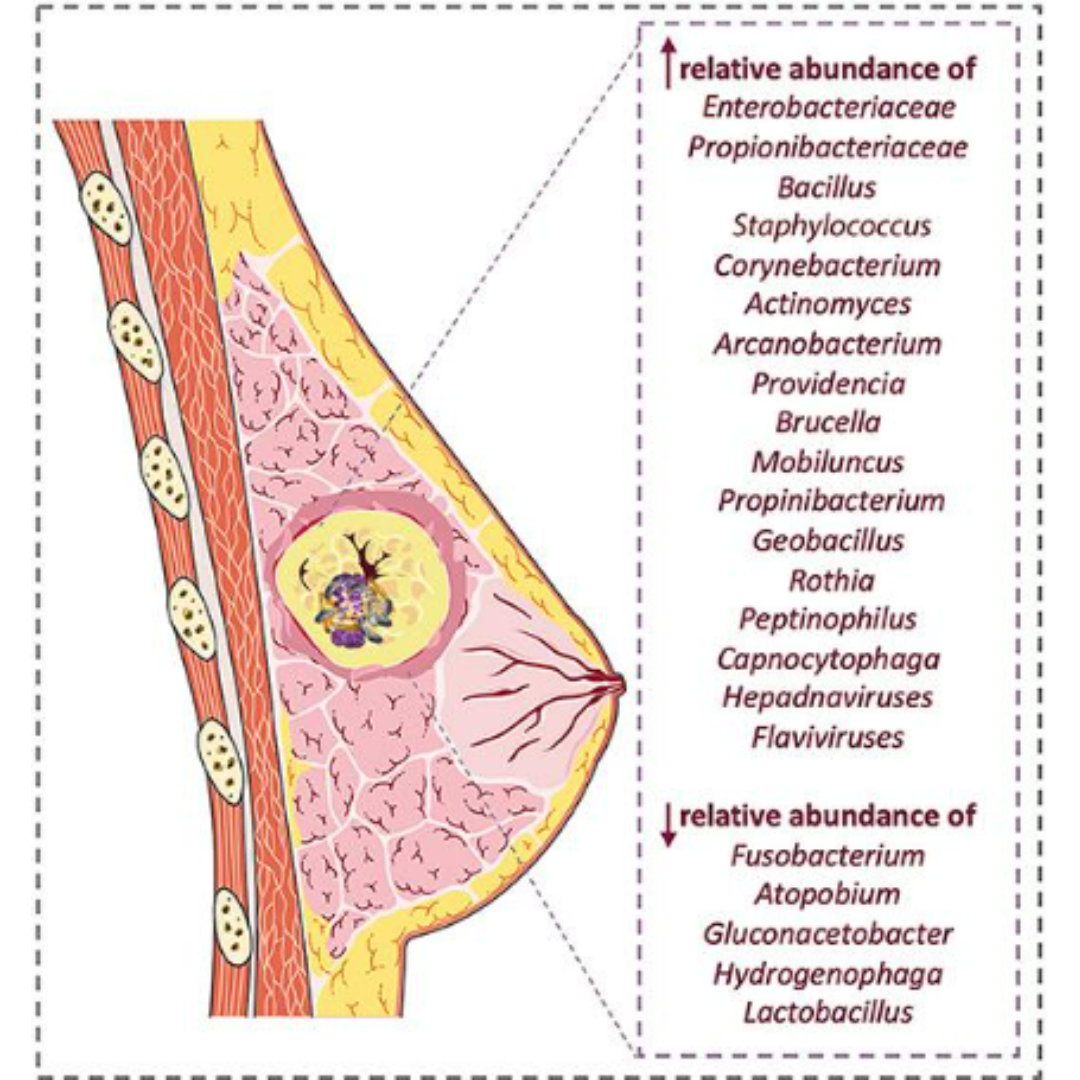
Figure 2. Changes in the Density of Microorganisms in the Breast between Breast Cancer Patients and Healthy Individuals (Hieken TJ et al., 2016)
In the treatment process, chemotherapy often leads to cognitive impairment related to chemotherapy (CRCI), which is quite common among cancer patients and affects their quality of life. A study conducted on 159 breast cancer patients in a preclinical setting (Juan et al., 2022) showed promising results. From 2018 to 2019, breast cancer patients (Stage I-III) undergoing adjunct chemotherapy were screened, enrolled, and randomly assigned to receive either probiotic or placebo (three capsules, twice daily) during chemotherapy (Chinese Clinical Trial Registry (ChiCTR-INQ-17014181)). After usage, improvements were observed in their cognition, anxiety, and depression; serum biomarkers, metabolism, and gut microbiota composition in their feces were measured, showing substantial effectiveness.
Study data indicated that probiotic supplementation prevents the onset of chemotherapy-related cognitive impairment in breast cancer patients by modulating serum metabolites, including p-Mentha-1,8-dien-7-ol. Another study also demonstrated the significant effectiveness of probiotics in supporting breast cancer patients. A total of 34 breast cancer patients were randomly assigned to a diet supplemented with probiotics for four months with one sachet/day of probiotics (Bifidobacterium longum, Lactobacillus rhamnosus). After four months of probiotic use, there was a notable improvement in gut microbiota and metabolic parameters, leading to improved health for breast cancer patients (Pellegrini et al., 2020).
In summary, numerous studies highlight the effectiveness of using probiotics in preventing and minimizing the risk of breast cancer in women. The potential development of functional foods from probiotics for individuals at risk of breast cancer is substantial and could expand significantly in the future.
References:
- Mendoza, Luis. “Potential effect of probiotics in the treatment of breast cancer.” Oncology reviews 13, no. 2 (2019).
- May S. Thu., Thunnicha Ondee, Tanawin Nopsopon, Izzati AK Farzana, Joanne L. Fothergill, Nattiya Hirankarn, Barry J. Campbell, and Krit Pongpirul. “Effect of Probiotics in Breast Cancer: A Systematic Review and Meta-Analysis.” Biology 12, no. 2 (2023): 280.
- Siegel RL, Kimberly D. Miller, and Ahmedin Jemal. “Cancer statistics, 2018.” CA: a cancer journal for clinicians 68, no. 1 (2018): 7-30.
- Sherwood L, Willey J, Woolverton C. Prescott’s Microbiology 9Th Edition. New York: Mc Graw Hill; 2013
- Gareth R Evans, Anthony Howell. “Breast cancer risk-assessment models.” Breast cancer research 9, no. 5 (2007): 1-8.
- Marteau PR., Michael de Vrese, Christophe J. Cellier, and Jürgen Schrezenmeir. “Protection from gastrointestinal diseases with the use of probiotics.” The American journal of clinical nutrition 73, no. 2 (2001): 430s-436s.
- Kwa M, Claudia S. Plottel, Martin J. Blaser, and Sylvia Adams. “The intestinal microbiome and estrogen receptor–positive female breast cancer.” JNCI: Journal of the National Cancer Institute 108, no. 8 (2016).
- Fu J, Marc Jan Bonder, María Carmen Cenit, Ettje F. Tigchelaar, Astrid Maatman, Jackie AM Dekens, Eelke Brandsma et al. “The gut microbiome contributes to a substantial proportion of the variation in blood lipids.” Circulation research 117, no. 9 (2015): 817-824.
- Hieken TJ., Jun Chen, Tanya L. Hoskin, Marina Walther-Antonio, Stephen Johnson, Sheri Ramaker, Jian Xiao et al. “The microbiome of aseptically collected human breast tissue in benign and malignant disease.” Scientific reports 6, no. 1 (2016): 30751.
- Banerjee S, Zhi Wei, Fei Tan, Kristen N. Peck, Natalie Shih, Michael Feldman, Timothy R. Rebbeck, James C. Alwine, and Erle S. Robertson. “Distinct microbiological signatures associated with triple negative breast cancer.” Scientific reports 5, no. 1 (2015): 1-14.
- Juan, Zhang, Jie Chen, Boni Ding, Liang Yongping, Kai Liu, Ling Wang, Yuan Le et al. “Probiotic supplement attenuates chemotherapy-related cognitive impairment in patients with breast cancer: a randomised, double-blind, and placebo-controlled trial.” European Journal of Cancer 161 (2022): 10-22.
-
Pellegrini, Marianna, Mirko Ippolito, Taira Monge, Rossella Violi, Paola Cappello, Ilario Ferrocino, Luca Simone Cocolin, Antonella De Francesco, Simona Bo, and Concetta Finocchiaro. “Gut microbiota composition after diet and probiotics in overweight breast cancer survivors: a randomized open-label pilot intervention trial.” Nutrition 74 (2020): 110749.